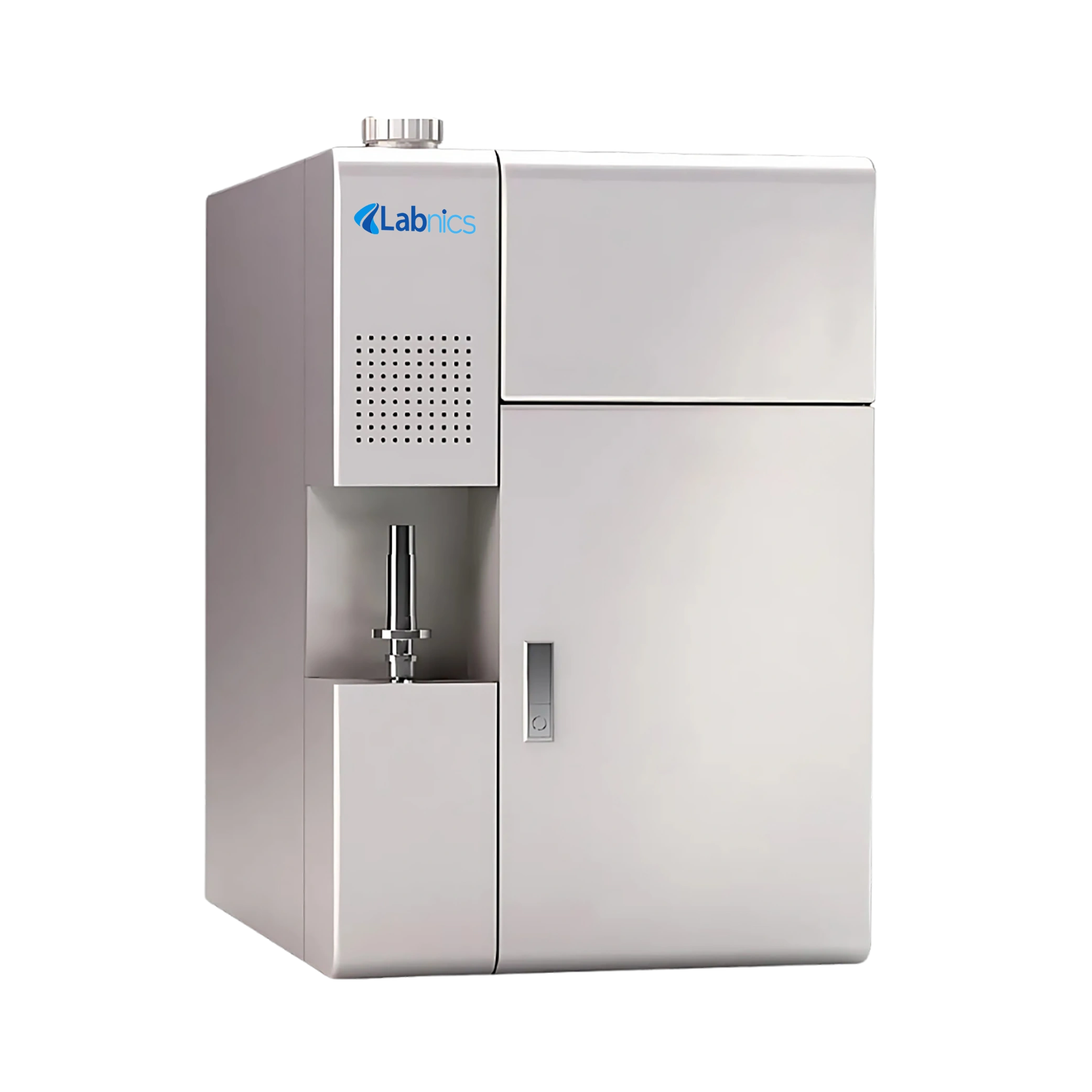
FAQ for IR Carbon and Sulphur Analyzer NCSA-300
1: How does IR Carbon and Sulphur Analyzer NCSA-300 maintain accuracy during long testing cycles?
Labnics ensures stable results through temperature and pressure compensation, which minimizes external interference during extended operation.
2: What materials can be tested using the IR Carbon and Sulphur Analyzer NCSA-300?
Yes, the analyzer is suitable for a wide range of solids including non-ferrous metals, ores, ceramics, and other high-temperature-resistant materials.
3: How does the gas control system improve user safety during operation?
Our sealed metal gas system prevents leaks and ensures controlled combustion, offering a safe and reliable working environment during continuous use.
4: Can the IR Carbon and Sulphur Analyzer NCSA-300 automatically adjust for sample variations or curve deviations?
Labnics software allows users to store and reset multiple carbon and sulfur curves, improving flexibility and reducing manual recalibration.
5: Are there any precautions to take before running high-frequency combustion analysis?
Yes, always pre-check sample placement, ensure proper airflow, and verify that the furnace chamber is clean to avoid damage or inaccurate readings.