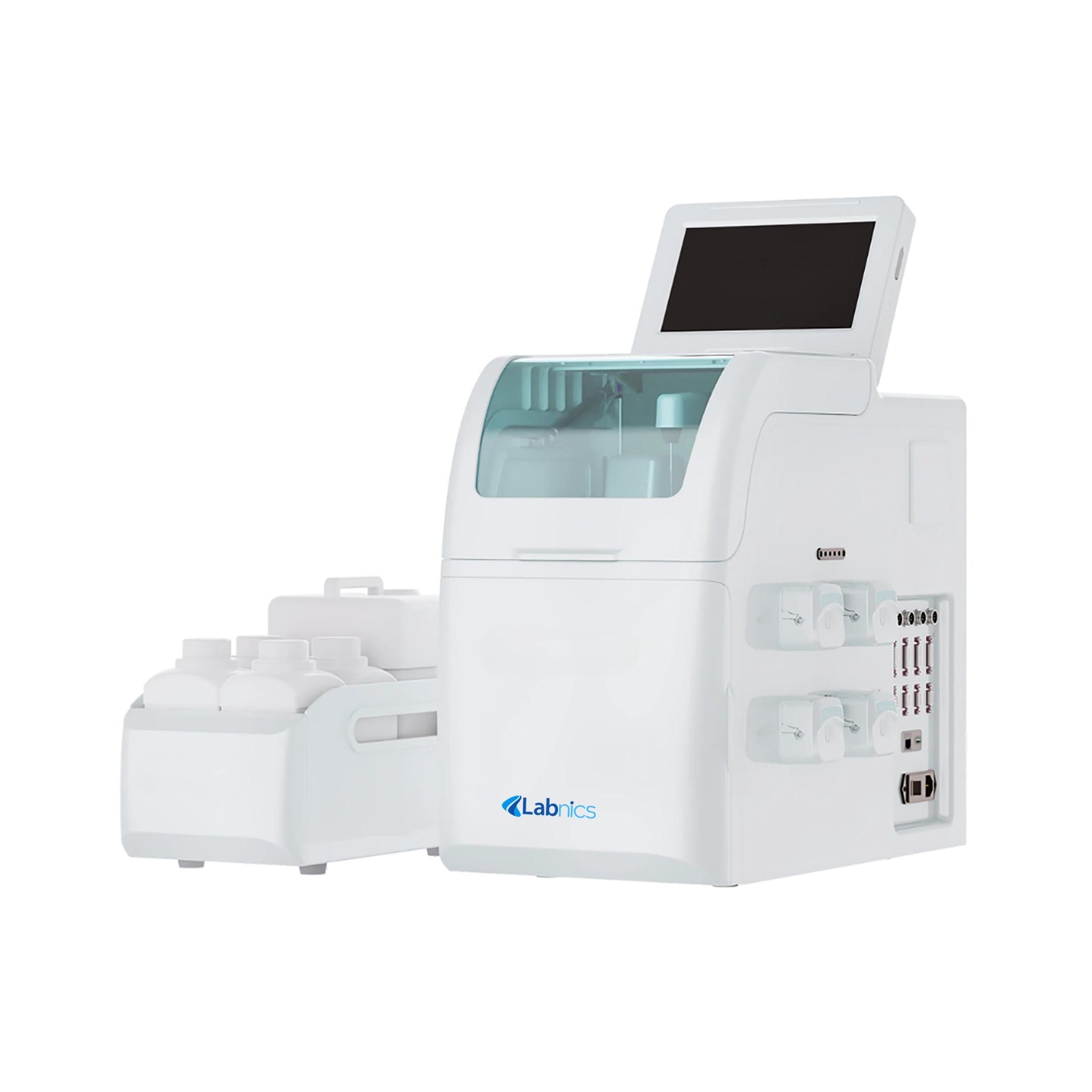
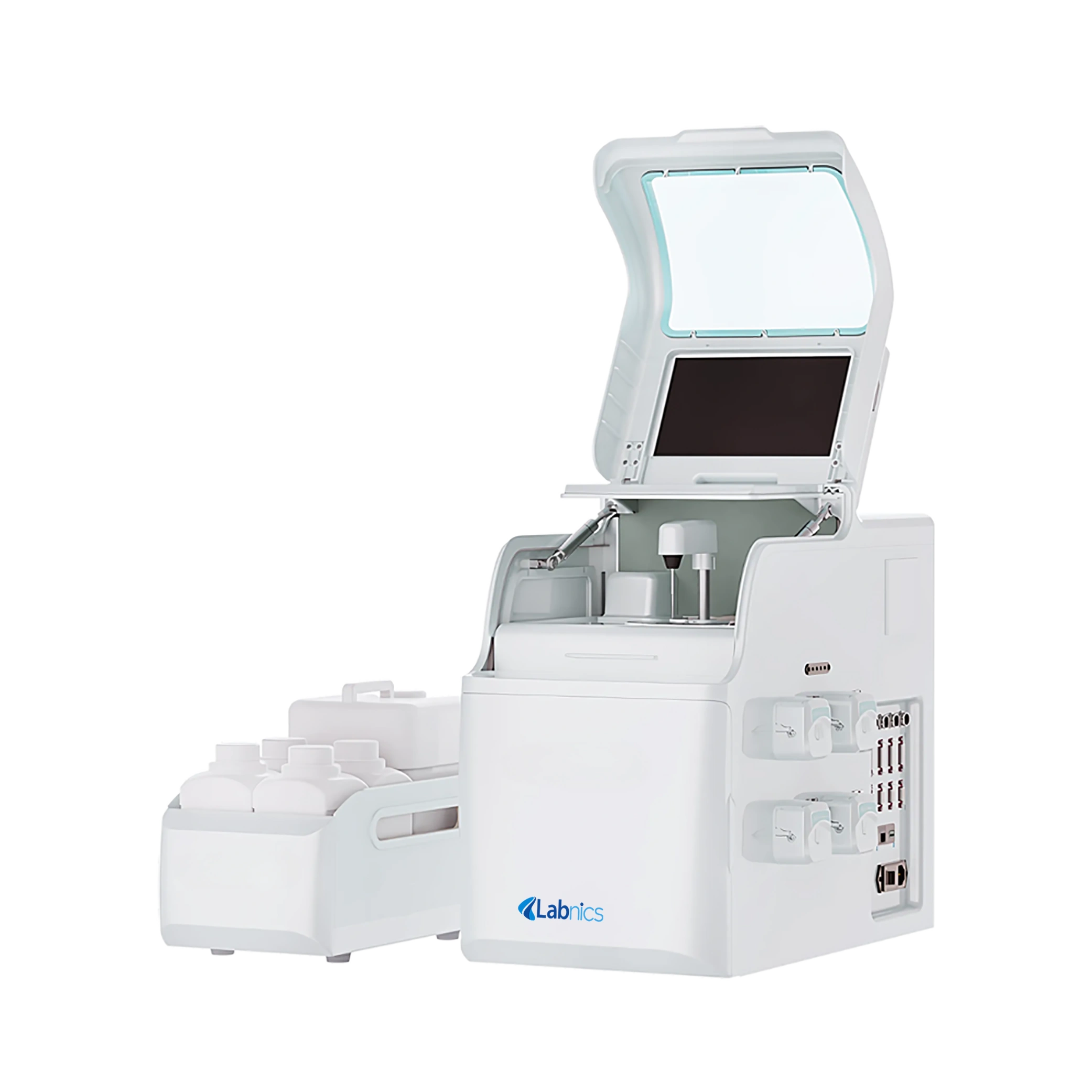
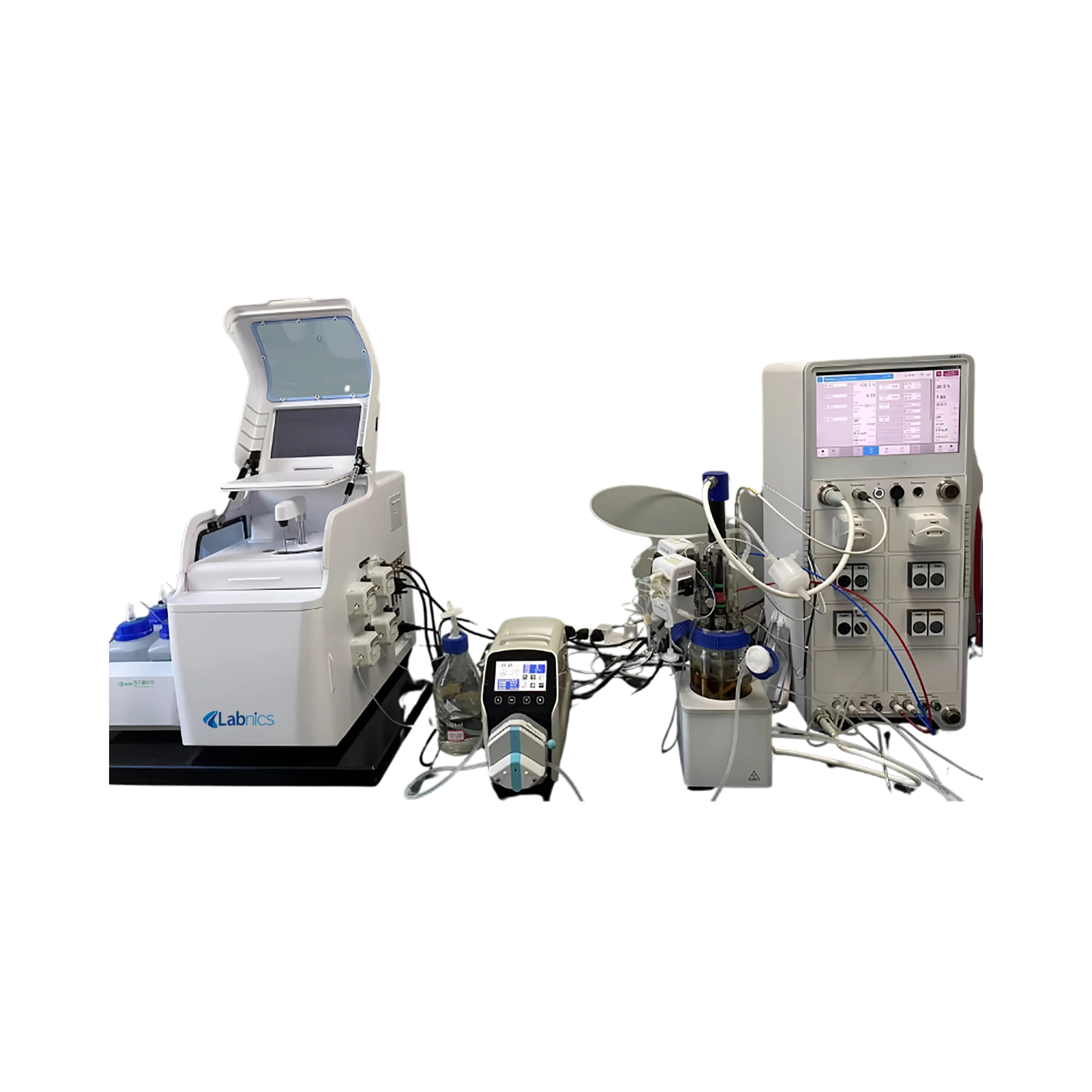
Multi-Channel Biosensor Analyzer NMBA-105 detects and measures multiple substances simultaneously with a resolution of 0.01%. It has a precision of less than 2%, this system provides consistent and trustworthy results. Our system enhances sensitivity, speed, and accuracy in diagnostics, environmental monitoring, or food safety. It has data from each channel, processed in real-time for comprehensive analysis. This unit has multi-channel capability making it suitable for complex, multiplexed testing applications.
FAQ for Multi-Channel Biosensor Analyzer NMBA-105
1: What is Multi-Channel Biosensor Analyzer NMBA-105?
Multi-Channel Biosensor Analyzer NMBA-105 is a laboratory instrument designed to simultaneously measure biochemical substances across multiple samples. This model supports 9 independent channels, allowing for high-throughput analysis and significantly reducing processing time in research and industrial applications.
2: What is the resolution of the Multi-Channel Biosensor Analyzer NMBA-105?
Multi-Channel Biosensor Analyzer NMBA-105 provides a high resolution of 0.01 g/L, which means it can detect even small variations in analyte concentration. This level of sensitivity is crucial for accurate monitoring in various applications.
3: What types of samples can Multi-Channel Biosensor Analyzer NMBA-105 analyze?
Multi-Channel Biosensor Analyzer NMBA-105 is capable of testing a wide variety of liquid biological samples. Its flexibility makes it useful across different fields such as healthcare, biotechnology, and environmental science.
4: Is the Multi-Channel Biosensor Analyzer NMBA-105 easy to operate?
Yes, Multi-Channel Biosensor Analyzer NMBA-105 is designed with a user-friendly interface that simplifies setup, calibration, and data collection. Even users with minimal technical training can operate the analyzer effectively, making it accessible for routine laboratory use.
5: What are the typical applications of Multi-Channel Biosensor Analyzer NMBA-105?
Multi-Channel Biosensor Analyzer NMBA-105 is commonly used in clinical diagnostics, food safety testing, environmental monitoring, and bioprocess control. Its ability to handle multiple samples with high precision makes it ideal for both research and quality assurance tasks.
6: What are biosensor analyzers used for?
Our Biosensor analyzers are devices that combine a biological element with a transducer to detect specific substances in a sample. They can be used for detecting pollutants, monitoring medical parameters, or quality control in food production.
7: How do biosensor analyzers work?
A biological interacts with the analyte. This interaction generates a signal that is then converted into a measurable form (like electrical or optical) by the transducer.
8: Are biosensor analyzers used in clinical settings?
Yes, Labnics biosensor analyzers are used in various medical applications, such as blood glucose monitoring, detecting specific biomarkers for disease diagnosis, and even for drug delivery and monitoring.
9: What are the advantages of using biosensor analyzers?
Labnics Biosensor analyzers can be highly sensitive and specific, allowing for the detection of low concentrations of analytes. They can also be smaller, more affordable, and faster than traditional methods, making them suitable for various applications.